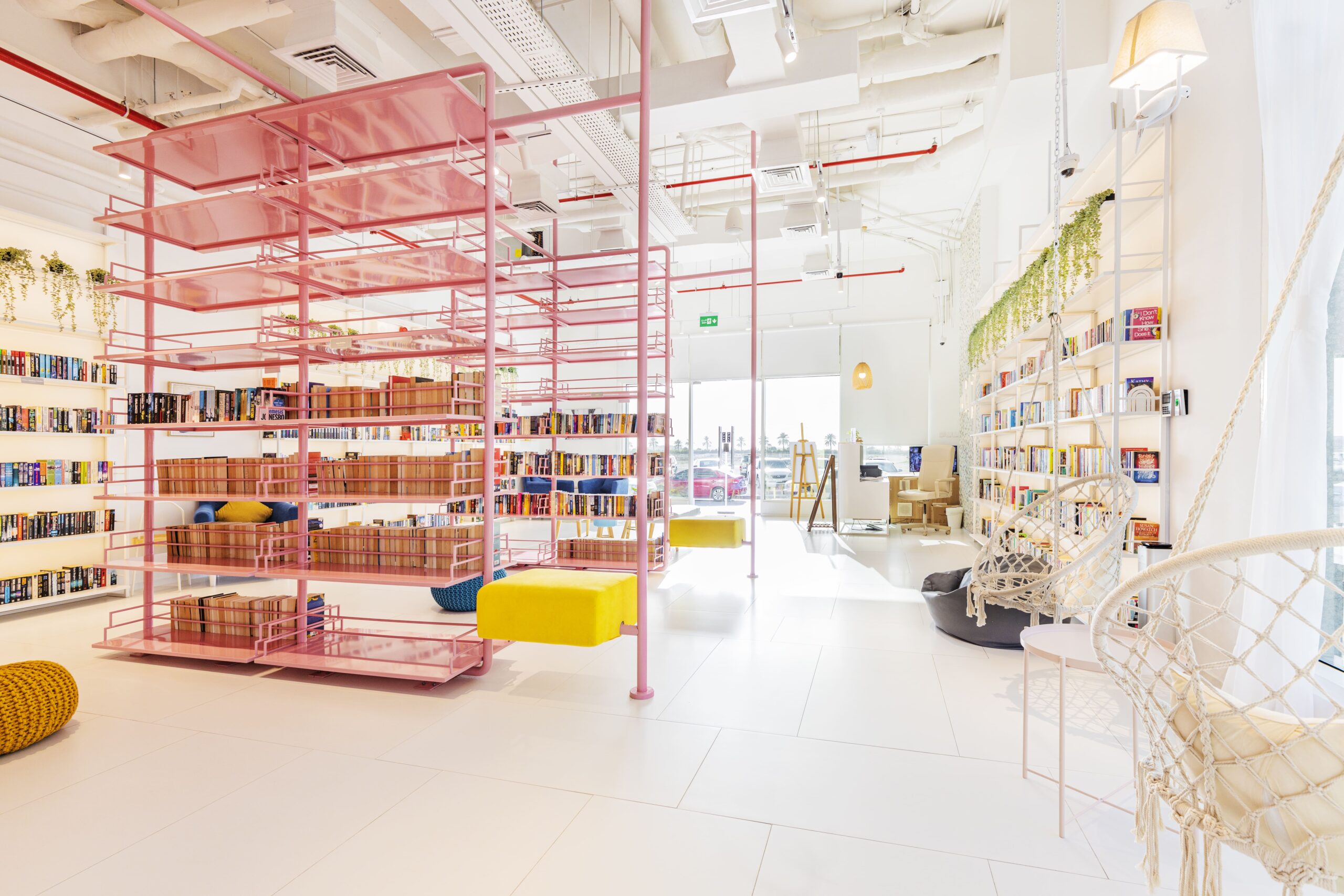
Dubai is home to some of the world’s most innovative residential, commercial, and hospitality developments. From luxury villas and high-rise apartments to corporate offices, restaurants, and retail spaces, every property deserves an interior that reflects its purpose while delivering comfort, functionality, and long-term value. Choosing the right interior design company is one of the most important decisions you will make during your project.
An experienced interior design company does much more than create visually appealing spaces. It helps you make informed decisions, optimize layouts, select suitable materials, manage timelines, coordinate contractors, and ensure every detail aligns with your vision. Whether you are designing a new office, renovating a villa, or transforming a retail outlet, working with the right professionals can make the difference between a stressful experience and a successful project.
However, with many interior design companies operating across Dubai, selecting the right partner can feel overwhelming. Attractive portfolios and impressive marketing materials are easy to find, but they do not always reflect the quality of execution, communication, or project management. The best choice is not necessarily the company with the lowest quotation or the most social media followers. Instead, it is the one that understands your objectives, has relevant experience, follows a structured process, and consistently delivers high-quality results.
This guide explains the key factors you should consider before hiring an best interior design company in Dubai. By understanding what to look for and what questions to ask, you can make a confident decision that supports your budget, timeline, and long-term goals.
Understand Your Project Requirements Before You Start
Before contacting any interior design company, spend some time defining what you want to achieve. A clear understanding of your project helps designers provide accurate recommendations, realistic timelines, and transparent quotations.
Start by identifying the type of project you are planning. Residential projects often focus on comfort, personal style, and efficient use of space, while commercial projects prioritize functionality, branding, productivity, and customer experience. Hospitality, healthcare, retail, and educational spaces each have their own unique design considerations.
Ask yourself a few important questions.
- Is this a renovation or a completely new project?
- Which areas need interior design services?
- What is your expected completion timeline?
- Do you already have a preferred design style?
- What is your estimated budget?
- Will you require complete design and build services or only design consultation?
Having answers to these questions allows interior designers to understand your expectations from the beginning. It also reduces unnecessary revisions later in the project.
For example, a business planning a new office fit out will have very different priorities than a family renovating a luxury villa. An office project may focus on employee productivity, meeting spaces, and efficient workflows, while a residential project may emphasize comfort, storage solutions, and personalized living spaces.
The clearer your objectives are, the easier it becomes to evaluate whether a company has the expertise to deliver the outcome you expect.
Look for Relevant Experience, Not Just Years in Business
Experience is one of the strongest indicators of an interior design company’s ability to manage projects successfully. However, experience should not be measured only by the number of years a company has operated.
Instead, consider whether the company has completed projects similar to yours.
A firm that specializes in luxury villas may not necessarily have the same expertise required for designing restaurants or corporate offices. Likewise, a company experienced in retail environments may approach residential interiors differently.
When reviewing a company’s experience, consider the following.
Project Diversity
Has the company completed residential, commercial, retail, hospitality, or corporate projects?
A diverse portfolio often demonstrates adaptability and the ability to solve different design challenges.
Local Knowledge
Dubai has specific building regulations, approval processes, and community requirements.
An interior design company familiar with these requirements is often better prepared to avoid delays during project execution.
Technical Expertise
Experienced designers understand more than aesthetics.
They also consider:
- Lighting performance
- Space planning
- Ergonomics
- Material durability
- Ventilation
- Storage optimization
- Maintenance requirements
These practical considerations contribute significantly to the long-term success of a project.
Problem Solving
Every interior project encounters unexpected challenges. Material availability, site conditions, client revisions, or construction delays can affect timelines.
Experienced professionals know how to adapt without compromising quality.
Instead of asking how long a company has been in business, ask them about projects similar to yours. Their ability to discuss challenges, solutions, and outcomes often reveals far more about their expertise than the number of years listed on their website.
Evaluate Their Portfolio Beyond Beautiful Images
A portfolio is one of the most valuable resources when comparing interior design companies. While attractive photographs may capture your attention, they should not be the only factor influencing your decision.
Look closely at each completed project.
Does every space appear thoughtfully planned?
Can you see consistency in quality?
Do different projects demonstrate creativity while remaining practical?
A strong portfolio should showcase more than luxury finishes. It should demonstrate how each design responds to the client’s specific needs.
For example, an office interior should promote collaboration and productivity, while a luxury villa should balance elegance with comfort and everyday functionality.
As you review project galleries, pay attention to several important aspects.
Space Planning
Good design is not only about decoration.
Furniture placement, circulation, accessibility, and workflow should all feel natural and efficient.
Well-designed spaces allow people to move comfortably without feeling restricted.
Lighting Design
Lighting dramatically influences how an interior feels.
Natural lighting should be maximized wherever possible, while artificial lighting should support different activities throughout the day.
Observe how lighting enhances the overall atmosphere of completed projects.
Material Selection
Quality materials improve durability and reduce maintenance over time.
Notice whether the portfolio includes a balanced use of wood, stone, metal, glass, fabrics, and other finishes suitable for different environments.
Design Consistency
Each project should reflect the client’s requirements while maintaining professional design standards.
Consistency often indicates a structured design process rather than relying solely on trends.
Attention to Detail
Small details frequently separate exceptional interior designers from average ones.
Look for:
- Clean finishing
- Integrated storage
- Thoughtful lighting placement
- Well-coordinated color palettes
- Functional layouts
- Quality craftsmanship
These details often determine how enjoyable a space remains years after completion.
Understand Their Interior Design Process
One characteristic shared by successful interior design companies is a clearly defined process.
A structured workflow reduces misunderstandings, improves communication, and helps projects stay on schedule.
Although every company works differently, a professional interior design process generally includes several key stages.
Initial Consultation
The first meeting focuses on understanding your goals, preferences, timeline, and budget.
This discussion allows designers to gather essential information before developing concepts.
Site Assessment
A site visit helps designers evaluate existing conditions, measurements, lighting, structural limitations, and opportunities for improvement.
Accurate site information is essential before preparing layouts or quotations.
Concept Development
Based on your objectives, the design team prepares concepts that reflect your functional requirements and preferred style.
This stage may include mood boards, reference materials, preliminary layouts, and design direction.
Space Planning
Effective space planning determines how every area will function.
Designers consider furniture layouts, movement, accessibility, storage, and overall usability before selecting finishes or decorative elements.
Good space planning often improves daily comfort without increasing project costs.
Material and Finish Selection
Choosing finishes involves balancing aesthetics with durability, maintenance, and budget.
Professional designers explain the advantages and limitations of different materials so clients can make informed decisions.
3D Visualizations
Many interior design companies provide realistic 3D renderings that help clients visualize the completed project before construction begins.
These visualizations reduce uncertainty and make design revisions easier during the planning stage.
Technical Drawings
Detailed drawings communicate important information to contractors, electricians, plumbers, and other specialists working on the project.
Accurate documentation helps reduce construction errors.
Execution and Site Supervision
Once construction begins, regular site supervision ensures work follows approved drawings and quality standards.
Frequent inspections help identify issues early and maintain project progress.
A transparent and organized design process demonstrates professionalism and gives clients confidence throughout the project. When comparing interior design companies, ask them to explain how they manage each stage from consultation to final handover. Companies with a clear methodology are generally better equipped to deliver consistent results while keeping projects on schedule and aligned with client expectations.
Project Management Can Determine the Success of Your Interior Design Project
Many people focus on design concepts, color palettes, and furniture selection when choosing an interior design company. While these elements are important, successful projects are often built on something less visible but equally essential: project management.
Even the most creative design can face delays, budget overruns, or quality issues without proper coordination. A well-managed project ensures that every stage, from planning to installation, progresses smoothly while keeping everyone involved informed and accountable.
When speaking with an interior design company, ask how they manage projects after the design has been approved. Understanding their process can give you confidence that your investment is in capable hands.
Dedicated Project Manager
A dedicated project manager serves as the main point of contact throughout the project. Instead of communicating with multiple contractors or suppliers, you have one person responsible for coordinating every stage of the work.
This simplifies communication and helps resolve questions quickly.
Timeline Planning
Professional interior design companies create detailed project schedules before work begins. These schedules outline key milestones such as material procurement, site preparation, furniture installation, lighting, painting, and final inspections.
Having a realistic timeline allows clients to understand project progress and anticipate important decisions along the way.
Vendor and Contractor Coordination
Interior design projects involve multiple specialists, including electricians, carpenters, painters, flooring installers, HVAC technicians, and furniture suppliers.
Coordinating these teams requires careful planning. Delays from one contractor can affect every stage that follows. Experienced project managers monitor each activity to minimize disruptions and maintain steady progress.
Quality Control
Regular site inspections help ensure that work meets approved specifications and quality standards.
Professional companies do not simply visit the site at the end of the project. They monitor progress throughout construction, checking workmanship, measurements, finishes, and installation accuracy before approving each stage.
Budget Monitoring
Good project management also includes financial oversight.
Changes during construction can affect costs if they are not carefully controlled. Reliable interior design companies discuss variations with clients before additional work begins, helping avoid unexpected expenses.
A structured management approach allows projects to stay organized while giving clients greater visibility throughout the entire process.
Understand Pricing Before Making a Decision
Interior design pricing is often more complex than comparing quotations from different companies. A lower price does not always represent better value, and the highest quotation does not automatically guarantee superior quality.
The most important factor is understanding exactly what is included.
Before signing any agreement, request a detailed breakdown of costs. This helps you compare proposals fairly and reduces the likelihood of misunderstandings later.
Typical pricing may include:
- Design consultation
- Concept development
- Space planning
- 3D visualization
- Technical drawings
- Material selection
- Furniture sourcing
- Site supervision
- Project management
- Installation
Some companies provide complete design and build solutions, while others only offer design services. Understanding this distinction is essential when comparing proposals.
It is also important to ask about additional costs that may arise during the project.
Examples include:
- Custom furniture
- Imported materials
- Design revisions
- Structural modifications
- Government approvals
- Specialized lighting
- Decorative accessories
Transparent pricing reflects professionalism. Companies that clearly explain their costs help clients make informed decisions without relying on assumptions.
Rather than choosing a company solely because it offers the lowest quotation, consider the overall value it provides. Experienced professionals often help clients avoid expensive mistakes by recommending practical solutions, durable materials, and efficient planning from the beginning.
Material Quality Plays a Major Role in Long-Term Satisfaction
Beautiful interiors should continue performing well long after the project is complete. The quality of materials used throughout the space has a direct impact on durability, maintenance, comfort, and overall value.
A professional interior design company will recommend materials based on how the space will actually be used rather than simply selecting products that look attractive in photographs.
For residential projects, flooring, cabinetry, countertops, fabrics, and wall finishes should withstand everyday use while remaining easy to maintain.
Commercial environments often require materials that can handle higher levels of foot traffic, frequent cleaning, and continuous operation.
When discussing materials, ask questions such as:
- How durable is this product?
- Is it suitable for Dubai’s climate?
- How much maintenance does it require?
- Is there a manufacturer’s warranty?
- Can replacement materials be sourced in the future?
Designers should explain the advantages and limitations of different options instead of encouraging unnecessary upgrades.
Many modern projects also prioritize sustainable materials, energy-efficient lighting, and environmentally responsible finishes. These choices not only support long-term environmental goals but can also reduce operating costs over time.
Selecting quality materials is an investment in the future performance of your property rather than simply an aesthetic decision.
Read Client Reviews with a Critical Eye
Client reviews provide valuable insight into how an interior design company performs beyond its marketing materials.
Instead of looking only at overall ratings, spend time reading individual reviews carefully.
Pay attention to recurring themes.
Do multiple clients mention clear communication?
Were projects completed within the promised timeline?
How did the company respond when unexpected challenges occurred?
Positive feedback often highlights qualities that photographs cannot demonstrate, including professionalism, responsiveness, organization, and problem-solving.
It is equally important to observe how companies respond to criticism. A professional response to a negative review often reflects a willingness to resolve issues and maintain strong client relationships.
Beyond online reviews, ask whether the company can share completed project case studies or client references. Speaking directly with previous clients may provide useful information about the overall experience from consultation through project completion.
Reliable companies are generally willing to discuss their previous work openly and explain the challenges they successfully managed during different projects.
Local Knowledge Matters in Dubai
Dubai’s construction and interior design industry operates within a well-defined regulatory framework.
Depending on the location and type of property, projects may require approvals from developers, building management, or relevant authorities before work begins.
Companies that regularly work within Dubai understand these procedures and can help clients avoid unnecessary delays.
This local knowledge extends beyond documentation.
Experienced designers also understand:
- Community guidelines
- Building access procedures
- Fire and safety requirements
- Material approval processes
- Delivery scheduling
- Site working hours
These operational details may seem minor, but they can significantly influence project timelines.
For commercial projects, compliance becomes even more important because offices, restaurants, retail stores, and hospitality spaces often have additional operational and safety requirements.
Working with a company familiar with Dubai’s construction environment allows projects to progress more efficiently while reducing administrative challenges.
Good Communication Builds Better Projects
Interior design is a collaborative process.
Clients, designers, contractors, suppliers, and project managers all contribute to the final outcome. Clear communication helps ensure everyone works toward the same objectives.
During your initial meetings, observe how the company communicates.
Do they listen carefully to your ideas?
Do they explain technical concepts in an understandable way?
Are they transparent about timelines and budgets?
Professional communication should continue throughout the project.
Clients should receive regular progress updates, site photographs where appropriate, and timely responses to questions or concerns.
Good communication also includes setting realistic expectations. Experienced interior designers explain what can realistically be achieved within your budget and timeline rather than making promises that cannot be fulfilled.
When communication remains open throughout the project, decisions become easier, revisions are minimized, and trust develops naturally between the client and the design team.
Common Mistakes to Avoid When Hiring an Interior Design Company
Choosing an interior design company is a significant decision, and rushing the process can lead to unnecessary challenges later. Many problems that arise during projects can be traced back to decisions made before work even begins.
One common mistake is selecting a company based only on price. While staying within budget is important, the lowest quotation may exclude essential services, use lower-quality materials, or require additional costs later in the project.
Another mistake is overlooking relevant experience. Every project has unique requirements, and a company that has successfully completed similar work is often better prepared to anticipate challenges and deliver practical solutions.
Some clients focus only on attractive portfolio images without asking about the design process, project management, or execution. Beautiful renderings are valuable, but consistent delivery depends on planning, coordination, and attention to detail.
Failing to define project expectations can also create misunderstandings. Before work begins, both parties should have a clear understanding of the project scope, timeline, budget, responsibilities, and approval process.
Finally, avoid making a decision after meeting only one company. Speaking with several qualified professionals allows you to compare their experience, communication style, proposed approach, and overall suitability for your project.
Taking time to evaluate these factors carefully can help you choose an interior design company that delivers lasting value rather than short-term savings.
Questions to Ask Before Hiring an Interior Design Company in Dubai
Meeting with an interior design company is an opportunity to understand how they approach projects and whether they are the right fit for your requirements. Rather than focusing only on pricing, ask questions that help you evaluate their experience, communication, and working process.
Some useful questions include:
Can you share projects similar to mine?
A company with relevant experience can better understand your expectations and suggest practical solutions based on previous work.
What services are included?
Some firms offer only design consultation, while others provide complete design and build services, including procurement, site supervision, and project management. Clarifying the scope of work helps you compare proposals accurately.
Who will manage my project?
Knowing who your primary point of contact will be helps establish clear communication from the beginning.
What is the estimated timeline?
Every project is unique, but an experienced company should be able to provide a realistic schedule along with the factors that may influence completion.
How do you handle design revisions?
Understanding the revision process before work begins helps avoid confusion if changes are required during the project.
How will you keep me updated?
Regular communication through meetings, progress reports, or site visits allows you to stay informed throughout the project.
Can you recommend materials that fit my budget?
A good interior designer should be able to explain different material options and recommend solutions that balance quality, durability, and cost.
Do you coordinate contractors and suppliers?
Managing multiple vendors can be challenging. Companies that coordinate all project stakeholders often simplify the overall experience.
Do you provide support after project completion?
Ask whether the company offers post-completion assistance for minor adjustments or maintenance-related concerns.
Can I visit one of your completed projects?
Whenever possible, visiting a completed project provides a better understanding of workmanship, finishing quality, and overall attention to detail than photographs alone.
Why Professional Interior Design Is a Long-Term Investment
Many people associate interior design with aesthetics, but professional design delivers benefits that extend well beyond appearance.
A thoughtfully designed space improves how people live, work, and interact with their surroundings. Every element, from layout and lighting to storage and material selection, contributes to functionality and efficiency.
For homeowners, good design creates comfortable living environments that reflect individual lifestyles while making better use of available space.
For businesses, interior design can strengthen brand identity, improve employee productivity, create memorable customer experiences, and support daily operations.
Professional planning can also reduce unnecessary expenses. Careful material selection, efficient layouts, and coordinated execution help prevent costly modifications later in the project.
Well-designed interiors often retain their appeal for many years, making them a worthwhile investment for both residential and commercial properties.
Why Many Clients Choose RAC Decor
Selecting an interior design company is ultimately about finding a team that understands your goals and can translate them into practical, well-executed spaces.
RAC Decor approaches every project with the understanding that no two clients have identical requirements. Whether designing a private residence, a modern office, a retail showroom, or a hospitality environment, the focus remains on creating spaces that balance functionality, aesthetics, and long-term usability.
The company offers comprehensive interior design and design-build solutions, allowing clients to work with a single team throughout the project. This integrated approach simplifies coordination, improves communication, and helps maintain consistency from concept development to final handover.
Every project begins with understanding the client’s objectives before moving through structured planning, material selection, technical detailing, and execution. Throughout the process, attention is given not only to visual appeal but also to space planning, workflow, durability, and practical everyday use.
By combining thoughtful design with careful project management, RAC Decor aims to deliver interiors that support the way people live and work while reflecting the character of each space.
If you are planning a residential, commercial, retail, or hospitality project in Dubai, reviewing completed projects, discussing your objectives, and consulting with experienced professionals can help you make a confident and informed decision.
Final Thoughts
Choosing the right interior design company is one of the most important decisions in any renovation or new construction project. While attractive portfolios and competitive pricing may initially capture your attention, lasting results depend on much more than appearance.
Experience, communication, project management, technical knowledge, transparency, and attention to detail all contribute to a successful outcome.
Take the time to define your project goals, compare different companies, review their previous work, and ask meaningful questions before making a decision. A professional interior design partner will not only help bring your vision to life but also guide you through each stage of the journey with confidence and clarity.
Whether you are transforming a home, office, retail space, restaurant, or hospitality venue, investing in the right expertise today can create a space that continues to deliver value for years to come.
If you are looking for an experienced interior design company in Dubai, RAC Decor welcomes the opportunity to understand your vision and discuss how thoughtful design can help bring your project to life.
Frequently Asked Questions
How do I choose the best interior design company in Dubai?
Start by reviewing the company’s experience, portfolio, design process, client reviews, project management approach, and communication style. Choosing a company with relevant experience and a structured workflow often leads to better project outcomes.
What should I look for in an interior design portfolio?
Look beyond attractive images. Evaluate functionality, layout planning, lighting, material selection, finishing quality, and the variety of completed projects.
Should I hire a company that offers design and build services?
Many clients prefer design and build services because one team manages both the creative and execution stages, improving coordination and reducing communication gaps.
How important is project management in interior design?
Project management plays a significant role in maintaining timelines, controlling budgets, coordinating contractors, and ensuring quality throughout the project.
Can an interior designer work within my budget?
Yes. An experienced designer can recommend suitable materials, finishes, and design solutions that align with your financial goals while maintaining quality.
Why is local experience important in Dubai?
Companies familiar with Dubai’s regulations, approval processes, and construction practices are often better equipped to manage projects efficiently and avoid unnecessary delays.
How long does an interior design project usually take?
Project duration depends on the size, complexity, approvals, and scope of work. Smaller renovations may take a few weeks, while larger commercial or residential projects can require several months.
Is interior design only about aesthetics?
No. Professional interior design also focuses on functionality, comfort, safety, efficient space planning, lighting, and long-term usability.
When should I hire an interior design company?
It is best to involve an interior design company as early as possible. Early planning allows better budgeting, smoother coordination, and more effective design decisions.
Why should I choose a professional interior design company instead of managing the project myself?
Professional designers bring technical knowledge, industry experience, supplier networks, project management expertise, and creative problem-solving that help reduce risks and improve the overall quality of the finished space.